• Chinese (Simplified) Chinese English English French French German German

      Uncategorised

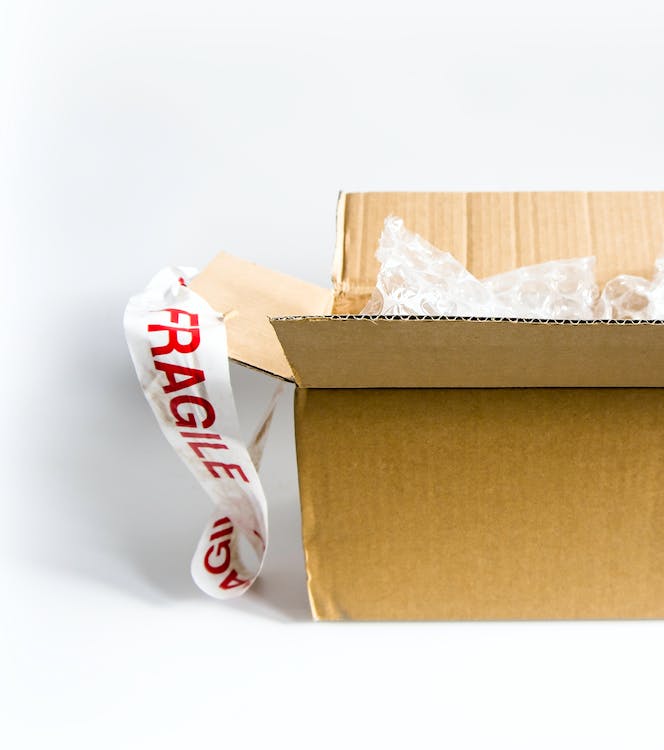
      package with fragile sticker on

      Tips Packaging & Exporting Glass Around the World

      1024 683 Matthew Morris

      Glass is used all around the world and has been for many centuries.

      From windows to television screens and beyond, everywhere you look there is this versatile material.

      But how does this glass get there?

      Well, glass manufacturers such as Moore’s Glassworks have packed and sent products for many years, and we know a thing or two about how to do this safely.

      We regularly ship to customers across Europe, in America, and beyond, and here are ten tips to help you do the same.

      Let’s take a look.

      10 Tips for Exporting Glass Products

      If you are looking to ship your glass products to your customers, then here are ten important hints and tips to help.

      1. Choose the Right Packing Material

      One of the key elements of a safe delivery is choosing the right packaging material.

      You should always be sending your glass items in a substance that is sturdy and shock-resistant. This will mean it is able to withstand the rigours of long-haul delivery without any damage occurring to the contents within.

      Some great materials to use are corrugated cardboard, foam, and bubble wrap to make sure every item is individually protected.

      Which brings me nicely onto my next topic.

      2. Wrap Each Product Individually

      When you are packing your items, it can be tempting to save time and money by wrapping your products together.

      This isn’t ideal for glass products though, as if you allow your items to bang together and rub against each other then you will find that they may end up being cracked or scratched.

      Try and wrap each product in the aforementioned items to make sure they don’t connect with each other in transit, or buy a container which you can stack them in securely to avoid any excess movement.

      3. Secure the Products in Packaging

      Speaking of making sure your products are secure, double-checking each item to make sure that is carefully wrapped in your packaging material and secured with tape is vital.

      The last thing you want is for your package to reach its customer and for the items inside to be damaged, and the best way to avoid this is to make sure there is limited movement.

      Securing them tightly is key to always having successful deliveries, so don’t be afraid to spend some time on this step and make sure you’re getting it just right.

      4. Make the Label Clear

      If you don’t label your items carefully and clearly, then it may not reach your customer at all.

      Adding the address and name of your customer is always needed, but it’s also wise to add some information on the products inside the package on the label just in case anyone needs to check it along the way.

      It’s also a good idea to label the package and let all handlers and customers know that the contents inside are fragile so it is best to handle with care.

      This can be the difference between cracked items and products that are in one piece, so again, don’t take any second measures when it comes to this step.

      fragile packaging

      5. Choose a Reliable Shipping Company

      When choosing shipping companies to help you export your products, it can be hard to not just focus on price. This may be a good tactic for some industries, but when it comes to glass products, you need a reliable shipping company that can ensure your products get to their destination in one piece.

      Look for a shipping company that has experience in handling fragile and valuable items, and can provide some assurances that will help yours, and the customer’s, peace of mind.

      If they can also provide other features such as tracking then even better but safety is paramount here, so if you have to pay a little more to get a company you really trust, then it’s certainly not a waste of money.

      6. Check All Export Regulations

      If you’re shipping your products all around the world, then you will soon realise that different countries have different rules and regulations.

      When you are shipping to a country, you must assess all of the regulations that you will have to adhere to, as some may be out of the ordinary and may leave your delivery delayed if you don’t have the right forms and permits.

      Spend a bit of time looking into each country that you deliver to and make a note of the rules that apply to this location. It’s always a good idea to note this down in case of repeat orders.

      7. Use Corner Protectors

      One of the points of a package that is most likely to get damaged in transit is the corners.

      Corner protectors are an item that is always worth investing in. These can be made from plastic, foam, or cardboard and can be used to add another layer of strength to any points that are susceptible to damage.

      You always want to fit as many items into one delivery as you can, but it can be worrying placing some in the corner, but with corner protectors you’re getting a good bit of protection that will help to get everything there in working condition.

      8. Provide Clear Instructions

      Glass products need to be handled differently compared to many other materials.

      You must remember that your shipping company may not be aware of what is in the box, so you must provide clear instructions to the handlers to make sure they treat it with the care it needs.

      This can include instructions on how to lift the box (which why up for example) and also instructions on how to move the package, including warnings about fragile content.

      If you give your delivery driver all of the instructions they need to get your parcel their unscathed, then it’s a big help for you, the customer, and the handler.

      9. Provide Insurance Coverage if Needed

      If you are shipping expensive glass products, then it’s always a good idea to have some insurance cover just in case things do go amiss.

      This will help to protect against loss or damage during the delivery process.

      There are several ways you can attain this, including seeking it out yourself and purchasing it, or going through your delivery company who should be able to provide this to you also.

      Insurance may sometimes feel like an unnecessary expense, but when something goes wrong it will be worth every penny, so it’s definitely worth thinking about for the larger, and more costly parcels.

      10. Consider Custom Packaging

      If you ship unique or irregularly shaped glass products, then you may need to use custom packaging to ensure that all items have sufficient protection during the shipping process.

      This can include everything from different shaped boxes and specialised crates to custom foam inserts to hold each product in place.

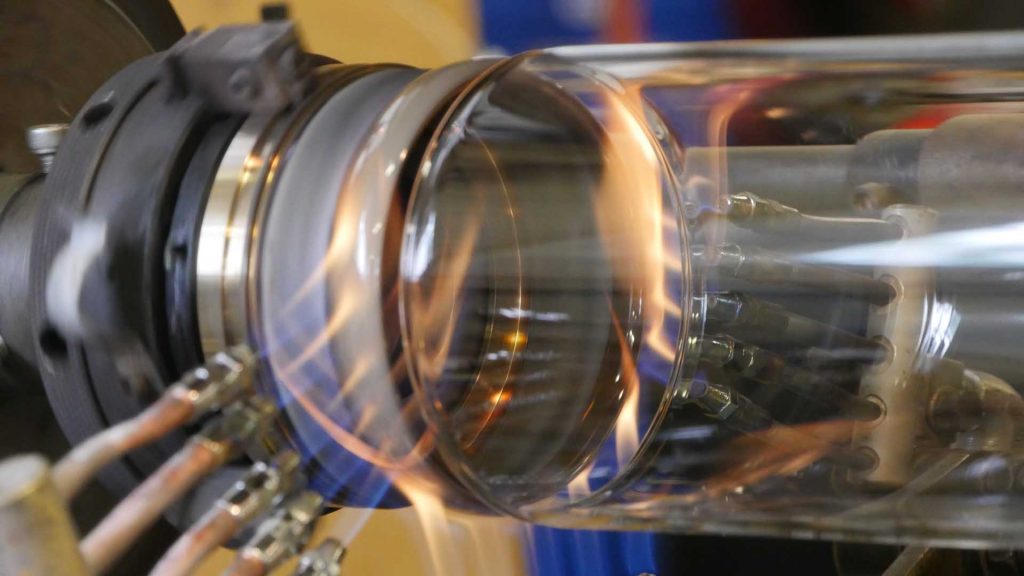
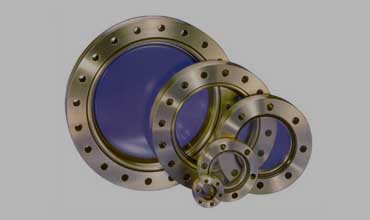
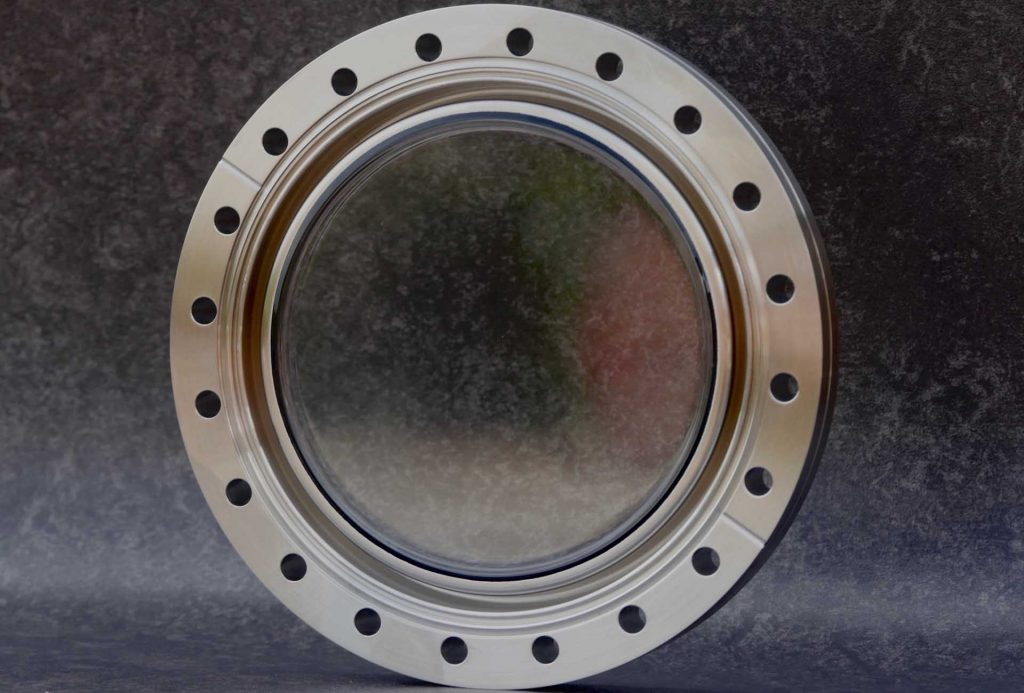
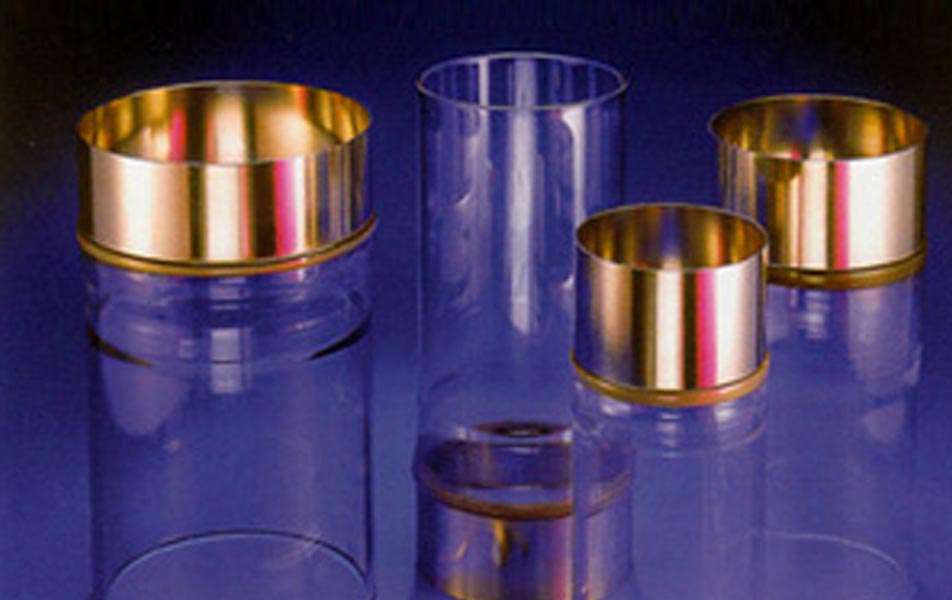
      At Moore’s Glassworks, we have a set range of products including cathode ray tubes and vacuum viewports that are available in custom sizes, so being able to provide packaging that is the right size to get our items to the customer in one piece is very important.

      Moore’s Glassworks: Exporting Glass Worldwide for Decades

      Our team have customers from all around the world, and over the many years of our service we have become experts in packing and shipping glass products in a safe way.

      If you are based in the UK, or elsewhere, and you’re looking for high quality glass products delivered safely to your location, then get in touch with Moore’s Glassworks today.

      Key Characteristics of a Great Custom Glass Manufacturers

      1000 554 Matthew Morris

      If you’re looking for a custom glass manufacturer that you can know you can trust to create great products and get them to you safely, there will be some key features of the business that you are looking for.

      Placing bulk orders or ordering specialist products can be costly, and you don’t want to send this money to a glass manufacturer before knowing exactly who you are working with.

      Here at Moore’s Glassworks, we pride ourselves on our professionalism and approach, and we want to help you find the perfect fit for your business and your glass products.

      With that in mind, here are ten things you should look for when choosing a custom glass manufacturer.

      Let’s take a look.

      10 Key Characteristics of a Great Glass Manufacturer

      A great custom glass manufacturer should have the following key characteristics:

      1. Quality: A great custom glass manufacturer should prioritize the quality of their products above all else. They should use high-quality materials and manufacturing processes to create products that are durable, long-lasting, and visually stunning. Some glass manufacturers, such as Moore’s, have a quality control procedure in place which rigorously tests every one of our products before it leaves our building and is shipped to you. This means that we will ensure the product is just as you ordered, with no defects or issues.

      2. Expertise: There aren’t many things more important in any industry than experience and expertise in a chosen field. Your chosen manufacturer should have a team of experts who have a deep understanding of the art and science of glassmaking. They should be able to offer advice and guidance on design, materials, and installation, and should have the skills and knowledge to create custom glass products that meet the unique needs of their clients.

      3. Customisation: The word custom is key here, and that is because we aren’t talking about any normal glass manufacturing plant which may mass produce components with identical dimensions. With a custom glass manufacturer, you are getting products tailored to the specific needs and preferences for you. They should be able to work with clients to understand their vision and create products that meet their exact specifications. While there may be set products, these will come in different shapes and sizes, and a good glass manufacturer should be able to produce individual items that fit the brief to the exact millimetre.

      4. Innovation: A great custom glass manufacturer should be constantly pushing the boundaries of what is possible with glass. They should be using the latest technology and manufacturing processes to create products that are innovative, unique, and visually stunning. For example, automation is a key element of our glass manufacturing process and this allows us to create articles that are the exact dimensions requested in an efficient time with minimal waste.

      5. Customer Service: In any business, customer service is key, and this is true for custom glass manufacturers. A good company should have a team ready to answer the phone and any emails that are sent in a quick time. The customer service team should be responsive to their clients’ needs and concerns, and should work closely with them throughout the design and manufacturing process to ensure that their expectations are met. A custom glass product is something specific to the client so co-operation when creating it is often key.

      6. Sustainability: A great custom glass manufacturer should prioritize sustainability and environmental responsibility in their manufacturing processes. They should be using eco-friendly materials and manufacturing processes to minimize their impact on the environment. Using recycled glass to produce their products and maintaining an eco-friendly approach is becoming ever-important in the glass manufacturing industry, so adopting this and using the innovative methods available are a key sign of a forward thinking business.

      7. Attention to Detail: In custom glass products, every measurement has to be exact, and therefore a manufacturer should pay close attention to the details of their products, ensuring that every aspect of the design and manufacturing process is carefully considered and executed to perfection. As we mentioned previously, our products such as vacuum viewports and cathode ray tubes are designed to the exact millimetre, and any discrepancies could mean the product is unusable. This attention to detail ensures every product is safe and fit to use.

      8. Reliability: Another one that could apply to all businesses, a custom glass manufacturer should be reliable and dependable, delivering products that meet their clients’ expectations on time and on budget. This falls into the customer service category a little as any issues that do occur should be dealt with quickly and the products should always meet the customer’s requirements.

      9. Versatility: A great custom glass manufacturer should be able to create a wide range of custom glass products, from small decorative pieces to large-scale installations. They should have the versatility to meet the needs of clients in a variety of industries, from residential to commercial. Here at Moore’s Glassworks, we specialise in a wide range of products, from glass condom moulds to mutli-pin bases, and we are versatile enough to make these to varying dimensions depending on the customer’s wants and needs.

      10. Speed: While the time it takes to create a product isn’t a deal breaker and it is truly quality that matters, if your chosen glass manufacturer can get products out in quick time and can fulfill your orders with time to spare this is definitely a bonus. This is another benefit of using a glass manufacturer that has access to automation and can create products efficiently without showing a drop in quality.

      Quality Custom Glass Manufacturing with Moore’s Glassworks

      We are a business who prides itself on creating high quality glass products that are exact to the customer’s request.

      We use human glass blowers and our innovative auto-lathes to produce hundreds of glass products that are exported all across the world every year.

      If you want to know more, or want to speak with our team about what we can do for you, then get in touch today.

      Cathode Ray Tube Manufacture

      The Role of Automation in the Glass Manufacturing Industry

      1000 750 Matthew Morris

      Here at Moore’s Glassworks, we always look to be at the forefront of glass manufacturing.

      While glass manufacturing has a history dating back centuries, the way it is done now looks very different.

      One of the reasons glass is so commonplace in society and is so quick to manufacture, is automation. This can done on huge scales, and in many different ways.

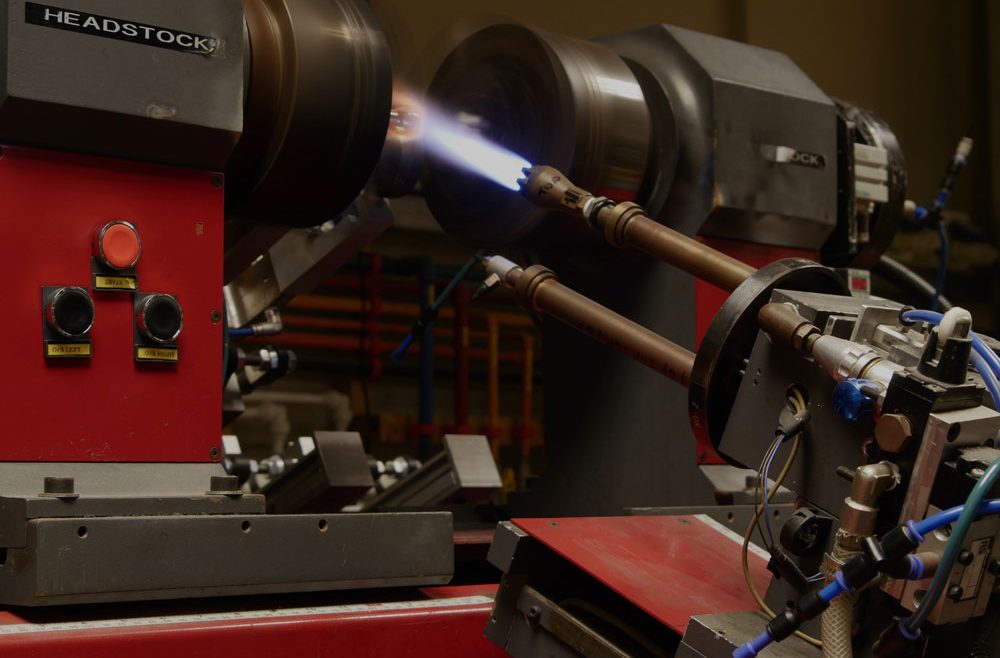
      In our glass manufacturing plant, we use auto-lathes. These are state-of-the-art equipment that can create pinpoint glass products at amazing speeds.

      But how did automation start in glass manufacturing? And why is it such a popular way of creating glass equipment?

      Let’s take a look.

      What do We Mean by Automation?

      Automation refers to the use of technology to perform tasks or processes without human intervention.

      This can include the use of machinery, robotics, artificial intelligence (AI), and computer software to complete tasks or operations that were previously performed by humans.

      Automation is seen in most places you look, and continues to take more roles in modern society as technology advances. Think of the next time you stop at a traffic light, the fact it is a machine stopping traffic and not a human is a sign of automation becoming commonplace in society.

      In the glass manufacturing industry, especially when dealing with products such as cathode ray tubes, vacuum viewports, and glass condom moulds, measurements have to be precise to ensure the product works as it should.

      While a human hand can do this, it can be a time-consuming process, and that is why machines such as our auto-lathes are game-changers.

      Automation has advanced many aspects of the glass manufacturing process, from design to creation and even packaging.

      The History of Automation in the Glass Manufacturing Industry

      Automation has played a significant role in the glass manufacturing industry, with a history spanning several decades.

      But, as with most things, it wasn’t always this way.

      So what happened to introduce automation in this field.

      Let’s find out with a quick history.

      Early Automation

      In the early days of glass manufacturing, most of the work was done by hand.

      However, in the mid-20th century, glass manufacturers began to adopt automation to increase production capacity and reduce labor costs.

      This initial automation involved the use of simple machines such as conveyor belts, cranes, and mechanical presses.

      While these may seem like simple machines, especially compared to some of the new advances in technology we see now, they completely revolutionized the way glass was manufactured, making it able to produce glass on huge scales.

      Computerization

      In the 1970s, glass manufacturers began to incorporate computer technology into their production processes.

      This allowed for greater control over the manufacturing process and improved quality control.

      Computerized control systems were used to regulate temperatures, monitor production, and manage inventory. We use computer technology on our auto-lathes to allow the user to carefully map out a product. All they have to do is input the figures, and the machine will do the rest, creating a glass product that fits the exact dimensions.

      Robotics

      In the 1980s, glass manufacturers began to incorporate robotics into their production processes.

      Robots were used to handle and move glass components, reducing the need for manual labor and increasing efficiency.

      Robots were also used to perform tasks that were too dangerous or difficult for humans, such as working in high-temperature environments.

      Glass manufacturing involves dealing with high temperatures, and using robots and machines, you can get much closer access to the project at hand, without burning yourself.

      Advanced Automation

      In the 1990s and 2000s, glass manufacturers continued to incorporate more advanced automation technologies.

      This included the use of artificial intelligence (AI) and machine learning to improve the efficiency and accuracy of production processes.

      Advanced automation also allowed for greater customization and flexibility in manufacturing, as well as improved safety and environmental sustainability.

      Today, glass manufacturers continue to explore new ways to incorporate automation into their production processes.

      And it’s easy to see why, as using automation to help manufacture glass comes with many benefits.

      The Benefits of Using Automation for Glass Manufacturers

      The use of automation has brought many benefits to the glass manufacturing industry, including:

      1. Increased productivity: One of the primary benefits of automation in glass manufacturing is increased productivity. Automated processes can perform tasks more quickly and efficiently than humans, and they can operate around the clock without the need for breaks or rest. This allows manufacturers to increase their production output and meet the demand for glass products more efficiently.
      2. Improved quality control: Automation can improve the quality control of glass products by eliminating errors caused by human error. Machines such as auto-lathes can measure and control temperature, pressure, and other factors that impact product quality with greater precision than humans. This results in more consistent and higher quality glass products.
      3. Reduced labor costs: By automating tasks that were previously performed by humans, glass manufacturers can reduce their labor costs. Automated systems can perform tasks more quickly and efficiently, and they do not require breaks, vacation time, or other benefits that are provided to human employees.
      4. Enhanced safety: Glass manufacturing can be a hazardous industry, with the risk of burns, cuts, and other injuries. By automating tasks that are dangerous for humans, manufacturers can improve the safety of their operations. Automated systems can also monitor and control hazardous conditions such as high temperatures, reducing the risk of accidents.
      5. Improved sustainability: Automation can help glass manufacturers to reduce their environmental impact by optimizing energy use, reducing waste, and improving the efficiency of production processes. This can result in significant cost savings, as well as a reduced carbon footprint.
      6. Flexibility and customization: Automation can provide glass manufacturers with greater flexibility and customization in their production processes, and can be reprogrammed quickly to accommodate changes in production requirements or to produce different types of glass products.

      The benefits of automation are huge and clear to see, and as technology continues to evolve, we can expect to see even more benefits in the future.

      Moore’s Glassworks: Custom Glass Manufacturers

      Are you looking for custom glass manufacturing? Then look no further than Moore’s Glassworks.

      We use automated equipment, as well as skilled glass blowers, to create glass products that are shipped all over the world.

      Want to know more? Then get in touch today.


      quality control

      Safety in Glass Manufacturing: Best Practices for Preventing Workplace Accidents

      337 200 Matthew Morris

      Glass manufacturing is a complex process that involves a variety of potentially hazardous activities, such as working with high temperatures, handling heavy materials, and operating complex machinery.

      At Moore’s Glassworks, we put the safety of our workforce first, and that’s why we have many procedures in place that are there solely for this reason.

      It’s important for glass manufacturers to prioritize safety and take steps to prevent workplace accidents.

      And with that in mind, here’s a guide on 7 steps you can take to ensure your glass manufacturing factory is safe.

      Let’s take a look.

      7 Practices for Preventing Accidents in Glass Manufacturing

      Conduct Regular Safety Training

      One of the best ways to prevent workplace accidents is to provide employees with comprehensive safety training.

      There are many things that someone working within a glass manufacturing environment should be trained on, but some topics that you should focus primarily on are information on the hazards associated with glass manufacturing such as burns and injuries handling heavy objects, as well as best practices for working safely in the factory.

      Training should be provided to all new employees and should be repeated periodically to ensure that everyone stays up to date with the latest safety protocols. At least once a year is a good benchmark to try and stick to to always have a workforce that is in the know.

      Provide Personal Protective Equipment (PPE)

      Employees who work in the glass manufacturing industry should be provided with appropriate PPE, such as safety glasses, heat-resistant gloves, and steel-toed boots.

      It’s important to ensure that PPE fits properly and is in good condition to provide maximum protection.

      This isn’t a point that can be passed over, and having proper PPE in place that the workforce are told they must use is absolutely vital.

      Regularly Inspect and Maintain Machinery

      Machinery and equipment used in glass manufacturing should be regularly inspected and maintained to ensure that they are in good working condition. Faulty equipment should be repaired or replaced immediately to prevent accidents.

      Here at Moore’s Glassworks, we have auto-lathes in place that can make the glass manufacturing process much more efficient and accurate. These are complex machines, and must be treated as such. All staff that use heavy duty equipment should be well trained on the machine in question, and the machine should always be serviced and checked so that is in perfect condition.

      Not only does this keep it safe, but it will also ensure it is running at full efficiency and not costing your company energy and money.

      Implement Safe Working Procedures

      All glass manufacturing processes should be designed with safety in mind.

      This may include creating safe working procedures for specific tasks, such as handling molten glass or operating machinery. These procedures should be regularly reviewed and updated as needed to reflect changes in equipment or processes.

      Having processes in place is a great way of ensuring all of your staff are reading from the same hymn sheet and know the exact way to use a piece of machinery or handle a process without putting themselves, or their fellow staff members, at risk.

      Encourage Reporting of Near Misses and Incidents

      Encouraging employees to report near misses and incidents is a key component of accident prevention.

      This allows the company to identify potential hazards and take steps to mitigate them before an accident occurs. For example, if there has been several near misses on a single piece of equipment within a month or so, this is a clear sign that something isn’t right, and by spotting this early and repairing any faults you are minimising the chance of an accident taking place.

      Also, if there is a system of work in place that isn’t quite right, and incidents are occurring, this is a sign that a new process needs to be created and spread to your clients.

      Conduct Regular Safety Audits

      Regular safety audits can help identify potential hazards and provide feedback on the effectiveness of safety measures.

      These audits should be conducted by an independent third-party to ensure objectivity and impartiality.

      What this means is bringing in a fresh pair of eyes who can perform a complete assessment of your workplace. This may involve testing your machinery, looking through your safe working procedures, speaking to your staff and more. It can be easy to fall into bad habits, so by letting a third party come in you may spot some things that had passed you by and may be putting your workforce at risk.

      Foster a Safety Culture

      Creating a safety culture that values and prioritizes safety can go a long way in preventing accidents.

      This involves encouraging employees to take ownership of safety and empowering them to report hazards and suggest safety improvements.

      Your staff are the people that are on the factory floor, using the machinery and working with the glass. They are the ones putting themselves at risk, and the ones who will be best placed to spot any potential hazards. Having an environment where a safety first attitude is rewarded is ideal for keeping on top of any issues.

      Safe Glass Manufacturing with Moore’s Glassworks

      Safety is a critical consideration for glass manufacturers, and preventing workplace accidents requires a multi-faceted approach.

      By implementing these best practices, glass manufacturers can reduce the risk of accidents and create a safer, more productive workplace for their employees.

      At Moore’s Glassworks, we take the safety of our employees very safely. All of our staff are well trained in more than just glass manufacturing, and know the best procedures for staying safe whilst at work.

      Want to know more, or need to speak to us about a project for your business?

      Get in touch today.

      Photo Envelopes

      What is a Photomultiplier Envelope? And How is it Manufactured?

      400 300 Matthew Morris

      Here at Moore’s Glassworks, we specialise in a select set of products that can be used throughout various fields, from medical to military and beyond.

      We manufacture products ranging from glass condom moulds and cathode ray tubes to vacuum viewports and more.

      One of the products we produce are photomultiplier envelopes.

      But what is this? And how is it used?

      Let’s take a look.

      What is a Photomultiplier?

      A photomultiplier is a type of detector that is used to detect and measure light.

      There are several components to this tool, including a vaccum tube that contains a photocathode (this is used to convert light into electrons), a series of charged electrodes called dynodes (these help to emit further electrons), and an anode (the negative electrode which supplies electrons).

      To put it simply, a photocathode is used to convert light into an electric signal.

      When light is shone on a photoacthode, it emits electons, and these are then pushed towards the first dynode along a wave of high voltage electricity.

      As the electrons and the dynode collide, even more electrons are produced. This is called secondary emission. This process is repeated again and again, until what you have left is a huge collection of electrons that have passed through many different dynodes.

      This is the key part when it comes to amplifying the original signal.

      With this abundance of electrons, an electric signal can be produced that is much stronger than the original light that was shone on the photomultiplier.

      This piece of equipment is sensitive to very low levels of light, making them perfect in many different settings.

      Where are Photomultipliers Used?

      Photomultipliers can be used across many settings, including:

      Medical  Photomultipliers are regularly found in such equipment as PET scanners.

      Physics  You will often find photomultipliers in particle detectors. This is because they are ideal for detecting and measuring lifht emitted by subatomic particles. A famous example is the Large Hadron Collider. They can also be used in nuclear physics to measure the light emitted by radioactive materials.

      Astronomy  Celestial objects such as stars are another thing that can be measures by photomultipliers, and you may often find them inside telescopes and similar equipment.

      Environmental – Much like when looking up at the stars, a photomultiplier can be used to look down into the ocean and measure the luminescent organisms at the bottom of the sea.

      There are many more settings in which these tools can be used to great effect.

      But where does a photomultiplier envelope fit into all of this?

      Let’s find out.

      What is a Photomultiplier Envelope?

      One of the key components of a photomultiplier tube not mentioned above is an envelope.

      This is a sealed glass enclosure that holds some of the key components, such as the photocathode.

      Not only that, but the envelope holds many of the dynodes as well, which are vital for the production of electrons.

      In a nutshell, the photomultiplier envelope is the component that holds all of the key parts together. This is why making sure it is manufactured properly is vital, as a lot of work goes on inside these small pieces of glass.

      How are Photomultiplier Envelopes Manufactured?

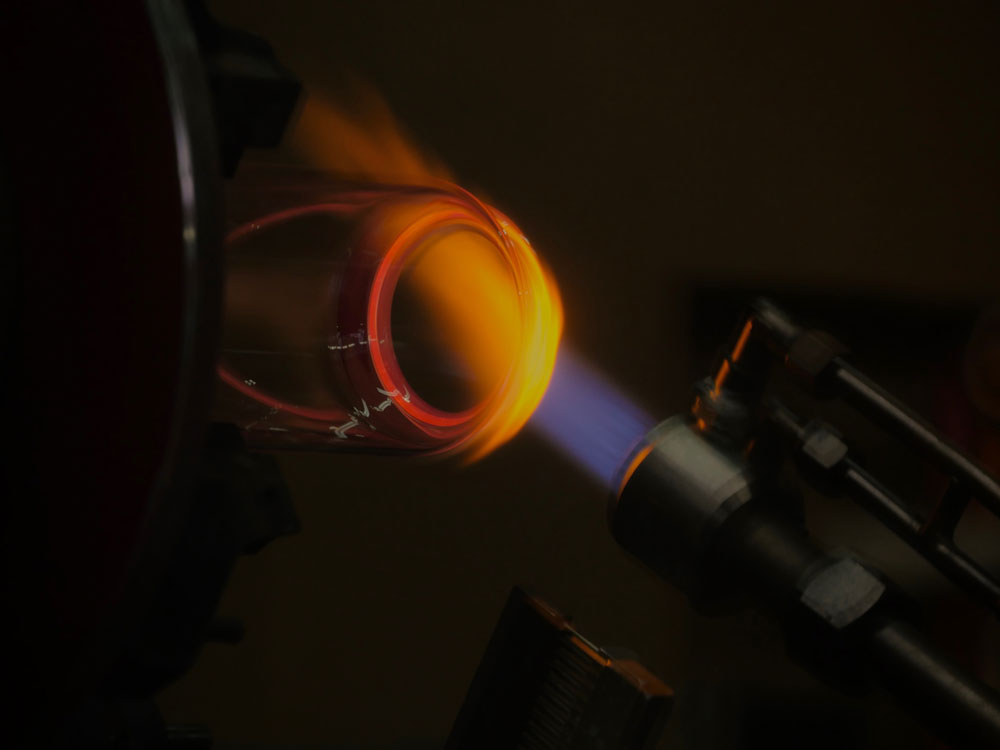
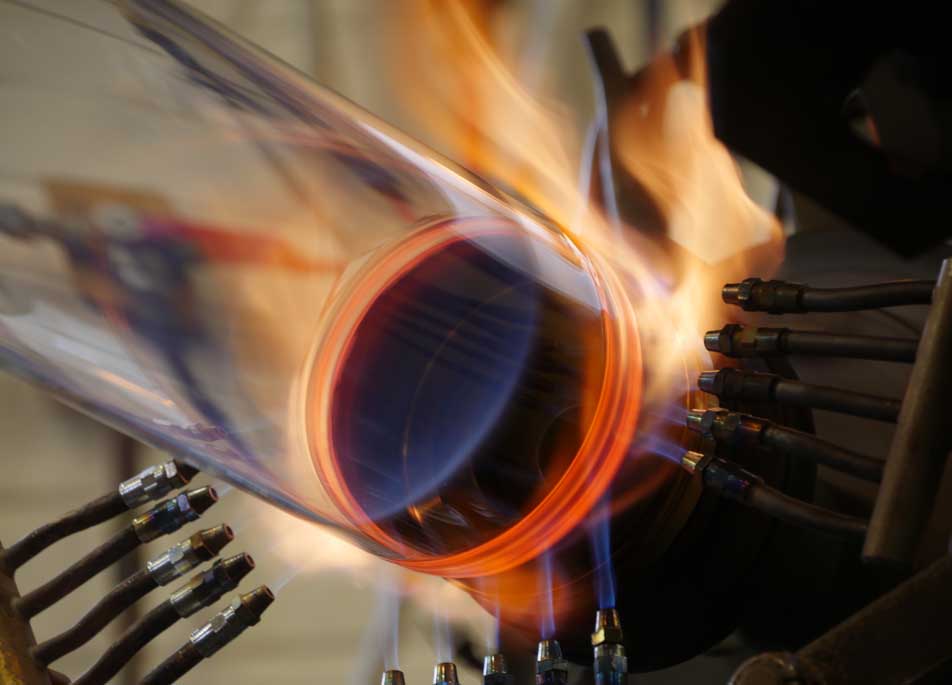
      To create these tools, we use glassblowing.

      This has been a process for manufacturing glass for centuries, and is our skilled glassblowers and auto-lathes are highly adept at performing.

      Depending on the size and specifications, and quantity of objects desired, the manufacturing process may alter slightly, but here is a general run through of what often takes place.

      1. We select the perfect sized glass tube for the job. This is either a tube already made or one that we mould into shape to make sure it is always the perfect fit.
      2. Using a flame, we heat one end of the tube. This helps is to shape this part of the envelope. This end will later become the window through which light enters the envelope.
      3. Once the glass mould is complete, we then can hand the perfect sized glass component over to you for the next steps of the process.
      4. The inside of the tube is coated with a material that will act as the photocathode.
      5. Dynodes are applied to the inside of the envelope.
      6. Once all components are inside, the envelope is sealed. This is again done by the process of heating up the glass and melting it until it is completely shut and sealed.

      After the envelope is manufactured, it is typically assembled with other components, such as the anode, and the entire photomultiplier tube is then tested and calibrated to ensure that it meets the required performance specifications.

      Your photomultiplier envelope is now ready to go.

      Photomultiplier Envelopes from Moore’s Glassworks

      Every product from Moore’s Glassworks has been manufactured with quality in mind.

      We use expert precision and high levels of quality control to ensure that everything we produce is always the best product it can be. From being the perfect length right down to the nearest mm, to being strong and durable enough to last long-term, no matter what use you have for your glass equipment.

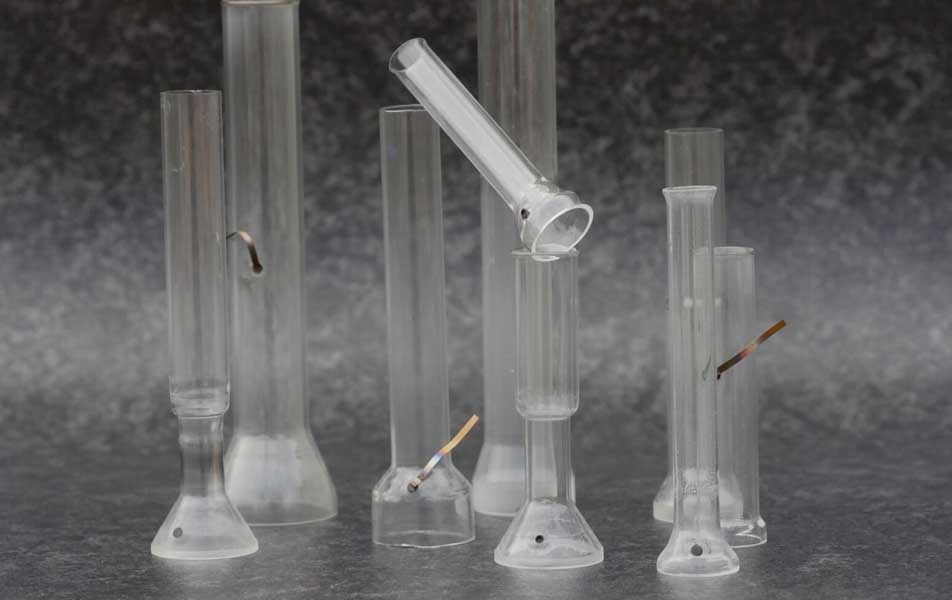
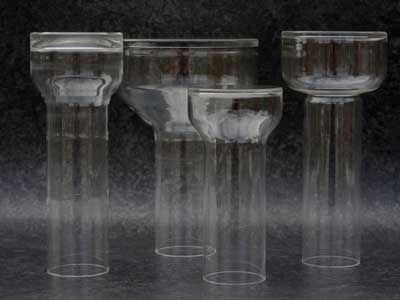
      Envelopes  for  photomultipliers  are  manufactured  in  many  different  configurations.

      We offer a wide range of sizes, going from something as small as 19mm in diameter, to something on a much bigger scale, such as our 125mm items.

      Our window materials also offer a wide range, with an option to usePyrex,  Schott  8250,  ultra-violet  transmitting  Schott  8337,  quartz  and  magnesium  fluoride.  End  windows  can  be  plano-plano,  piano-concave  or  domed  and  may  be  round,  hexagonal  or  square.

      If you want to know more about what we can offer, our manufacturing process, or have any questions related to our photomultiplier envelopes, then get in touch with our team today.
      Graded Seals Main

      The Many Uses and Benefits of Glass

      952 600 Matthew Morris

      For hundreds of years, glass has been one of the most popular materials in the world.

      And it’s no surprise. Glass can be used in a variety of ways and comes packed with many benefits.

      It has been in existence for centuries, and it is still used in many common applications, including windows, windshields, glasses, and in electronics.

      Here at Moore’s Glassworks, we have been manufacturing glass for years, and have come to learn many different methods and uses of this wonderful material.

      And that’s why we’ve created this quick guide on just what glass can be used for, and the many benefits it can provide.

      Let’s take a look.

      The benefits of using glass

      Glass is a versatile material that can offer many benefits to your home and workplace. From providing natural light to protecting your privacy, glass can be used in any number of ways.

      At Moore’s Glassworks, we specialise in custom products such as vacuum viewports, cathode ray tubes, and multi-pin bases, that are used for many different reasons, covering scientific environments and the military.

      One of the huge benefits of using glass is that it is an environmentally friendly material. This is because it is made from all natural materials, unlike plastic and metal.

      This means that it can be made sustainably and can be recycled, which makes it a brilliant choice of material to use for the planet. By reducing the quantity of raw materials required to create a product, you can reduce your cost and waste disposal efforts.

      The recyclable nature of glass is one of the key selling points, and it is often used instead of plastic due to its environmentally friendly nature. In fact, recycling glass can reduce the amount of waste going into landfills by 50%. Recycling can also reduce your energy usage and air and water pollution.

      Not only that, but it is also durable and easily cleanable.

      In more common uses than what we specialise in, glass is a great material to use in interior design. Glass is an ideal way to enhance the spatial qualities of a room. It is also a highly versatile and functional material. Using glass in a kitchen splashback, for example, can provide practicality without sacrificing the aesthetic appeal, which is a huge benefit when choosing a material to use in your home.

      While glass has been used for thousands of years to make practical items, recent advances in technology have opened the door to more creative uses. From designing a dazzling display of art to manufacturing transparent prisms, there are a myriad of options for using glass that are becoming more common and easily manufactured.

      One of the most obvious benefits of using glass is its ability to flood your interior space with natural light. Increasing the amount of sunlight can brighten your rooms, lower your electricity bills, and improve the mood of your occupants. The transparency of glass also makes it a great material to use on some of our specialist products, such as our viewports.

      When choosing the best glass for your needs, it is important to consider your specific application. There are many variations of glass, and it can range in terms of appearance, durability, and strength, so it is always wise to discuss with your manufacturer just what you require.

      The Global Glass Manufacturing Market

      The glass manufacturing market is growing, with the value estimated to nearly double to over $400 billion in the next ten years.

      The reasons for this are varying, but at it’s heart, are the growing uses for this material. As electronics become more advanced, the use of glass in such devices is becoming more common, and it is this that is pushing the extreme growth of the manufacturing industry.

      As mentioned earlier, glass products manufactured by Moore’s Glassworks are used throughout many different industries, and the uses are only growing.

      In the global glass market, there are many of uses that do continue to promote growth, such as growing sales in cars, uses in construction, and food and beverage containers.

      Glass is a wonderful material packed with benefits, and while some alternatives are being used in some instances, there’s truly no beating glass.

      The Many Uses of Glass Throughout Time

      Glass is one of the most important materials in the human era. It has played an instrumental role in many aspects of human life, ranging from navigation to the invention of optics.

      The uses of glass differ depending on where in the world you are, changing for many reasons such as different climates, available finances, and more.

      Early glass-making cultures are thought to have originated in Mesopotamia, where craftsmen made small vessels using labor-intensive techniques. They probably produced glass as an offshoot of ceramic-glaze production. The first glass objects consisted of beads, rods, and amulets and were colored with minerals.

      By the mid-14th century, glass was largely limited to western Eurasia. This was due to the high costs of the raw materials needed to produce it. However, glass-making improved and led to new and more precise and efficient ways of creating glass products.

      In the 17th and 18th centuries, Bohemia became an important glass-producing area. Glass vessels, mirrors, and spectacles began to spread throughout western Europe, and these are still common glass products in today’s society.

      Many of the glass objects manufactured in this time were used for drinking and food storage. Glass was also used for lenses and prisms. Without glass products, industries and research into such industries as astronomy and molecular biology would not have been developed as quickly as they were.

      In the mid-19th century, the different uses and benefits of glass were beginning to be discovered. For example, the French chemist Edouard Benedictus discovered laminated glass and furthermore bulletproof glass.

      In modern times, the evolution of glass usage is continuing to grow. More recent discoveries have helped create bioactive glass that help heal bone and soft tissue. Now only this, but engineers are continually working on developing truly unbreakable glass.

      Today, there are many different types of glass. Each type has a unique chemical composition and physical properties. Despite its fragility, glass continues to be an essential material in our lives. From the glasses that help us to see, to the bulbs that light up our room, glass is found everywhere.

      In recognition of the importance of glass, the International Commission of Glass has declared 2022 as the Year of Glass. The United Nations has also recently celebrated the many uses of glass.

      Moulding glass

      Glass vs plastic

      It’s easy to compare the two most popular packaging materials: glass and plastic.

      Although the environmental impact of each is slightly different, glass is clearly the better choice for the planet. Only 9% of plastic is recycled, compared to 90% of glass in some countries.

      Glass is made from silica and renewable materials. Plastic, on the other hand, is synthetic.

      Plastic is lighter and more malleable than glass. However, plastic is much harder to recycle than glass. For the most part, plastic can only be recycled once or twice before it becomes unusable.

      Glass is 100% recyclable at designated facilities.

      And that’s not the only reason that many companies use glass instead of plastic for packaging. While glass may be the more expensive, products coming from glass packaging can be seen to be nicer. A popular example of this is Coca Cola being drank from glass bottles compared to plastic bottles.

      At Moore’s Glassworks, we create specialist glass that is used for many different environments. From viewports to glass condom moulds and photo-multiplier envelopes, this glass is designed to work well under pressure and is tailor made for each specific need.

      Glass is great for using in electronic devices as it is much more capable of withstanding high temperatures, and is tougher than glass.

      Moore’s Glassworks

      If you’re looking for custom glass manufacturing, then why not get in touch with Moore’s Glassworks.

      We offer a wide range of products and can make glass items that are exactly the right fit for your requirements.

      We use auto-lathes and ensure every product that leaves our manufacturing plant is of the highest quality.

      We look forward to hearing from you.

      glass manufacturing

      A History of the Glass Industry and Glassworks in the UK

      1024 576 Matthew Morris

      The British glass industry contributes over £1 billion a year to the UK economy.

      That’s a lot of money.

      But how did it all begin?

      Well, in this article, the team at Moore’s Glassworks will explore the history of glass manufacture in Britain, right from the earliest days, to the largest glassworks in the country today.

      It will also look at how the glass industry has changed and what it means for the future.

      Let’s take a look.

      Who brought glass manufacturing to Britain?

      Despite the fact that glass was manufactured in parts of Asia and Egypt for many centuries, there is little evidence to suggest that glass manufacturing actually took off in Britain until the later part of the Roman period.

      In fact, most societies kept the secrets of how to make glass a closely guarded secret to try and keep the wealths this talent would bring to themselves.

      The early 17th century saw a period of experimentation in the development of glass manufacturing. The early crucibles held 25kg to 50kg of glass. They were made from a fine white-firing quartz-tempered clay and were shaped in vertical or open forms.

      Soon enough, as demand for glass grew, something bigger was needed.

      The first glass industry in Britain was founded in Wearmouth, North of England. To begin with though, the furnaces were unstable and often broke down.

      The crucibles were replaced by new, more stable designs, with later ones holding up to 85kg to 100kg of glass.

      During the late 16th and early 17th centuries, glass manufacturing in Britain grew quickly. In fact, it was encouraged by government policy. Aristocratic families owned estates on both sides of the Channel and they were able to sell glass ingots to their workers.

      By the middle of the eighteenth century, glass production in Britain was largely dependent on imports. It was predominantly manufactured in the Weald of Sussex and Surrey. The area was rich in coal. In addition, French glassmakers relocated to new areas where coal was abundant.

      In the early 1800s, the development of a cylinder sheet process for glass-making increased the volume and quality of British glass. In addition, the window tax was abolished, and prices of glass were greatly reduced. The cylinder sheet process was imported from Germany in 1834.

      In the mid-1800s, a number of sites were identified in the Weald, including the site of an early glassworks at Arras. Some sites were excavated in the 1960s, but there is also evidence that there are other unrecorded locations.

      The first glassworks in Britain

      By the seventh century, glass was being made in Jarrow and Wearmouth. At the same time, a team of glassmakers from Gaul was working at Glastonbury. These migrant workers were using their knowledge of the continent to produce quality glass in England.

      In the late 16th century, the glass industry in England received a major stimulus. The new furnace technology reduced the cost of making glass, and the new materials allowed for the creation of higher quality English glass.

      In the post-Restoration period, glassmakers tried to replace the variable composition of the earlier period with more carefully measured fluxes. They also began to apply for a series of patents. They hoped to create a more solid, clear glass.

      During the seventeenth century, the glass industry expanded dramatically. The government encouraged immigrants to work in the industry. Several migrant families were based in established glassmaking centres in the Weald.

      By the early nineteenth century, the Chance Brothers’ glassworks in Smethwick, West Midlands, was producing window glass and optical glass. They also produced Houses of Parliament window glass.

      The Stourbridge glassmaking industry became one of the largest in the western world, and its engineers spread to the New World. The industry was considered among the best in the world.

      glass moulding with auto lathe

      The Biggest Glassworks in Britain

      Historically, the biggest glassworks in Britain were situated in the North East, Yorkshire, Staffordshire, the Midlands and London. The British glass scene has changed a great deal since the 19th century, but there are still a few surviving structures. In the 20th century, studio glass started to grow in popularity.

      The British glass industry is a resilient one, thanks to a high demand for glass. In the 21st century, data indicates that the UK’s glass industry produces the most glass for food packaging in the world.

      In the eighteenth century, the Weald of Sussex and the Weald of Surrey were well established domestic glass production centres. The Catcliffe Glasshouse, built in 1740, is the oldest surviving structure of its kind in Western Europe. The cone is now a museum.

      In the early nineteenth century, the Chance Brothers glassworks was established in Smethwick, West Midlands. They made a range of specialist glass for use at Crystal Palace. They were also the first factory in Britain to produce glass for the Houses of Parliament. This is a Grade II listed building. They also produced glass for the 1851 Great Exhibition.

      There were three giant glass companies in the North East during the nineteenth century. Burtles Tate & Company operated a glassworks near Oldham Road, Manchester. They produced Topas Opalescent glass. They also produced bottles and novelties.

      Another renowned glassmaker, John Derbyshire, set up a Flint Glass Works in Salford. His designs are famous. They often feature JD initials on either side of an anchor. He also set up the Regent Road Flint Glass Works in Salford in 1873. He was succeeded by his brother James Derbyshire.

      In modern times, the technology and tools at hand have improved dramatically, meaning that glass manufacturing plants can create identical bulk products in a fraction of the time. The ease of exporting has also made the British glass industry able to ship across the world with ease.

      Moore’s Glassworks

      There are still an abundance of glassworks throughout Britain, and there’s a reason for that.

      Glass is everywhere you look.

      In your car, your home, even balanced on your nose helping you to read this.

      Many glass manufacturers produce different types of glass aimed at different markets and products.

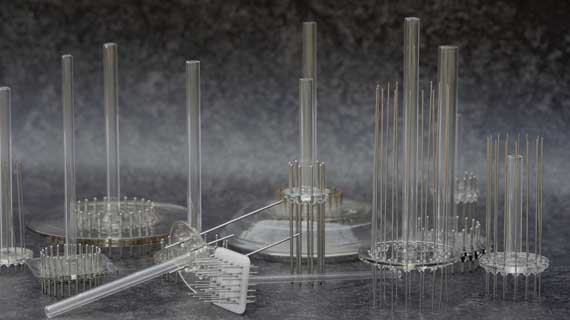
      For example, here at Moore’s Glassworks, we specialise in custom products such as vacuum viewports, cathode ray tubes, glass condom moulds, and multi-pin stems and headers.

      We use auto lathes to produce products that are just the right dimension for you, and ensure every product we create is of the highest quality.

      If you would like to know more, then get in touch today.

      glass blowing process

      A History of Glassblowing

      337 200 Matthew Morris

      Glass blowing is an ancient art form that has been practised for centuries. Before the technique was invented, glass was made by various other methods, but now, in places such as Moore’s Glassworks, expert glassblowers continue to use this method.

      Our team are experts in glassblowing, and that’s why we’ve put together this comprehensive guide on glassblowing, how it started, who did it, and what it can be used to do.

      Let’s take a look.

      How was glass made before glass blowing?

      Before glass blowing, glass was made by pouring liquid glass into a furnace and slowly cooling it.

      Then, a glass craftsman would mold or sculpt the piece using a solid iron rod known as a pontil. This process resulted in complex shapes and forms, such as handles.

      It is not known when glass blowing first started, but it likely began during the 2nd millennium BC.

      It was first invented in Syria and before the method was picked up by ancient Romans.

      The first blown glass pieces were thinner and more viscous, and easier to work with.

      During the Roman period, glass blowing became popular and glassmaking workshops were set up in many areas of the Roman world, including Lebanon.

      Around this time, the products people would mostly make were glass vessels.

      They shaped thin strands of glass around a central core of clay or sand and then rolled it on a smooth surface. It is believed that these ancient craftsmen may have used metal tools to make patterns in the molten glass.

      Glassmaking was a serious business for the Romans in the first century BC.

      There is a famous story by the write Petronius, which tells that a craftsman presented a glass piece that was unbreakable to King Tiberius.

      When the glass was thrown to the ground, it didn’t shatter, but merely dented. The craftsman was asked to show others his technique, as he was the only person in the world who supposedly knew it.

      The craftsman was excited and believed he had made big money, but Tiberius had other plans.

      Eventually, Tiberius beheaded the craftsman without warning. It is believed the reason was that Tiberius was worried that this new, unbreakable glass was going to devalue all other currency, so he eradicated the only person who knew of how to make it.

      molding glass

      How has the technique of glass blowing evolved?

      The technique of glass blowing has been around since ancient times.

      Though the methods have changed over time, the basic concept has remained the same. In fact, there is evidence that glass-making dates back to the Phoenicians’ time, circa 50 BCE.

      These ancient glassmakers blew air into the glass to shape it and create beautiful pieces. The technique was later adopted by glass-blowers in the western world.

      Glass blowing is a complex and time-consuming process. Its roots date back to the first century BC, when the Syrians first started blowing glass. This process later spread throughout the Roman Empire.

      Craftsmen in the Roman empire began using molds in conjunction with the technique of glass blowing, and they began to experiment with gold and silver inlays and colors.

      By the 4th century AD, glass-blowing was widespread in the Mediterranean and Eastern Mediterranean regions. By that time, the technique was practiced by people in Egypt and the Middle East.

      The technique of glass blowing has evolved and become more complex as the centuries have passed.

      Modern glass blowers use different techniques and materials. Many studios offer tools and classes for glassblowers to learn how to make glass objects. A skilled glassblower can shape virtually any vessel form or create a wide range of glass objects.

      Cathode Ray Tube Manufacture

      Who are the most famous glass blowers?

      Some of the world’s most celebrated glass blowers have been making art for decades.

      Some, such as Jason Lee, have been blowing glass for more than two decades and their work has become a benchmark for other glassblowers.

      Unfortunately, glassblowing can be a tricky industry to get into, but when you do get in, it can be elusive, with many opportunities to create products to sell.

      Probably the most famous glass artist is Dale Chihuly.

      Chihuly studied glass at the University of Wisconsin in Madison where he received a full scholarship before receiving a Fulbright Fellowship and going on to study in Italy, where he learned the techniques of Murano glass masters.

      The American artist is best known for his large installations and colorful glass pieces, but he has also created many smaller works which are just as revered.

      Among his work are chandeliers and freestanding pieces that are huge, grand items that can contain hundreds of individual glass pieces.

      Chihuly is also a strong advocate for making art accessible to people of all backgrounds and levels of education. In addition to funding individual artists, the Dale and Leslie Chihuly Foundation also supports glassblowing workshops and schools.

      Another glass artist, Takeshi Sano works with an older style of glass blowing.

      His pieces are created through a process called “lost wax casting,” which is multi-staged and time-consuming.

      The artist is passionate about glass and is known for creating glass works of art out of his SANOSANO studio in Japan that have a unique aesthetic voice.

      Moulding glass

      Equipment needed for glass blowing

      In glass blowing, it is necessary to have various tools that will help you.

      Some of these tools are essential for the creation of beads, and are called mandrels.

      They are usually made of metal and can come in different sizes. Mandrels help mold the molten glass into desired shapes, and are essential in the final stages of glass blowing.

      Mandrels also help the glass to cool and flatten out after it has been blown.

      Another piece of equipment needed for glass blowing is a glass pipe.

      This type of blowpipe allows consistent air to be blown into the molten glass.

      Most glass pipes have a shaft near the handle and allow for movement of the project.

      Glass shears are another tool needed for glass blowing. These tools have a long handle and short blade, which gives you leverage when cutting the glass. You can also use regular utility shears to cut glass.

      A glass temperature controller is also essential for glass blowing.

      It helps hold glass at a specific temperature and ramps it up and down.

      These are usually digital, although there are analog and mechanical ones available.

      Most glass blowing studios have a furnace under control, but you can also find annealers and small units that serve as garages for hot glass.

      Many glass manufacturers, such as Moore’s Glassworks, use auto-lathe machines to aid their glass production, and these machines are a great way of supplying accurate products. If you want to know more about our auto-lathes, then check out our auto-lathe guide here.

      Glass Blowing at Moore’s Glassworks

      We have a team of experienced and highly-skilled glass blowers who ensure quality products every time.

      If you want to know more, or have a project in mind, then get in touch today to see what we can do.

      glass jar

      The Evolution of Glass Moulding: A History of Glass Manufacturing

      337 200 Matthew Morris

      Glass is everywhere around us.

      In the windows we look out of, the phone screens we tap away at, and even resting on the end of our nose helping us to read.

      But how did glass become so popular, and what were the origins of this substance?

      Let’s find out.

      When, Where and How Was Glass First Made?

      This is a question that is highly debated.

      The timescale of when glass was first made is blurry, with some stories of the first glass manufacturing dating back to 5000 BC, and some stating it was a little later, around 3500 BC.

      The actual way that glass was formed back then is just as unclear.

      There are rumours of ancient sailors setting up fire on a beach after running ashore and realising the sand below them was melting, before solidifying as glass, but the temperature required to do this would be impossible to achieve from such a fire.

      The reality?

      Glass-making was something that developed over time. With newfound ingredients, ways of reaching high temperatures, and experiments in colour and other ways of melting and solidifying sand as glass, soon enough a product similar (but not the same) as what we would recognise as glass today was formed.

      What we do know is that by 1500BC, glass was being created and moulded to be used as vessels for carrying liquids and other items.

      While the first glass may have been made before this, it would be around this time that glass began to seen as decoration and a handy substance for creating personal items.

      When Was Transparent Glass Invented?

      We now jump forward to the 1st Century BC, where evidence of glass making instructions are still preserved to this day.

      Notes were recorded in a form of language called cuneiform. This was a syllabic set of notes that was often imprinted onto stone or clay.

      Looking through the texts, dating 650 BC, there is a list of ingredients that has been shown to result in a blue, transparent glass when combined.

      This is a clear indication that this form of glass was being created at the time, and means that before we moved from BC to AD, transparent glass was already being manufactured.

      The Oldest Glass Items Still Available to See

      There is some glass from the period between 1500BC and 1000BC still in museums.

      Due to the fact that throughout the centuries, patterns and styles didn’t dramatically change, the exact date this glass was produced is slightly murky, but what you can see is the way glass was being used.

      Most items that still remain are small decorative pieces such as beads.

      Some of the oldest glass you can find is right here in Britain, and the British Museum recently showcased some stunning items from the 1st Century BC in Lebanon. These items were destroyed after an explosion but were restored to how they would have looked all them years ago.

      One of the most famous pieces of Roman glass is the Portland vase, created around 25 AD, and that is still perfectly preserved in the British Museum to this day.

      Portland vase

      Bringing Glass to Britain

      So, if glass was created many centuries ago on the other side of the world, how did it come over to Britain?

      Well, the story goes that glass was initially mastered by the Roman Empire. The secret to this tough substance was tried to be kept in secrecy though.

      There may have been some outbreaks of knowledge throughout Europe about how to create glass, but it wasn’t until around 500 AD, just after the Roman Empire had fallen, that the secrets to manufacturing glass became more widespread.

      It is in 680 AD that the first glass industry in Britain is recorded, based in Weamouth in the North of England.

      But progress wasn’t exactly quick, and it wasn’t until many centuries after 1000 AD that glass manufacturing throughout this island really started to take off.

      This was because Britain didn’t focus on the arts as much as their Roman counterparts had done before them.

      While the skills required to blow glass did help in mostly forming windows, it would take many centuries for glass blowing to really take off in Britain as it had done in Europe.

      What gave it the kick it needed to spread throughout the country, was a man named Jean Carre.

      The Emergence of British Glassblowing

      Venice was a hotspot for glass manufacture and blowing.

      When Jean Carre came to Southern England and opened up a glass manufacturing production company, he spread his Venetian knowledge to many of the surrounding people and areas.

      The knowledge and techniques spread, and soon enough more plants began cropping up throughout the land and glass began to be used for much more than just windows.

      The British glass manufacturers began to show innovation, and introduced lead oxide to strengthen glass, as well as developing new methods of cutting glass that are still used to this day.

      How the Technique of Forming Glass has Changed

      The methods we use today are very different to what was used many centuries ago.

      This has resulted in many different types of glass being made.

      You now have annealed glass, bulletproof glass, heat-strengthened glass, and much more, which are all made differently thanks to the latest innovations.

      Glassblowing is also changing, with machinery now available, such as our auto-lathes, that can make the whole process quicker and more accurate.

      The changes in the manufacturing process are such that glass can now be produced on much grander scales, and while smaller objects are still made, the float glass method allows huge sections of glass to be built.

      Moulding glass

      Moore’s Glassworks

      At Moore’s Glassworks, our team of experts produce glass items of the highest quality.

      Either moulded by our skilled craftspeople, or with our auto-lathes, we have built a reputation over many years for producing meticulous, tough products such as cathode ray tubes and vacuum viewports.

      Want to know more? Then get in touch with our team today

      Photo Envelopes

      How Glass is Made: A Guide to Creating Glass and the Different Types Available

      337 200 Matthew Morris

      Glass is everywhere around us.

      In our homes.

      In our cars.

      Even right in front of our eyes for some people.

      When you see a substance such as glass every day, it can be easy to forget the complex method of creating it that takes place.

      At Moore’s Glassworks, we have manufactured glass for decades, and that’s why we’ve written this quick guide the process of creating glass, and the different types of glass that can be made.

      Let’s take a look.

      What is Glass Made From? 

      For centuries, glass has been created from the same elements.

      One of the main ingredients of glass is sand. When extreme heat is applied to sand, it’s internal structure changes drastically, and what can be left is a glass-like substance.

      A great example of this (albeit rather a strange one) is when a prototype of the atomic bomb was exploded in New Mexico Desert in 1945. This led to the sand that was at the heart of the explosion being subjected to high levels of heat and left it resembling glass.

      While this is an extreme example, it showcases how sand is transformed into glass.

      In more modern times, glass is produced on mass scale in dedicated plants.

      The most common form of glass created in these manufacturing plants is known as soda-lime glass.

      This is because of it’s three ingredients, which are soda (also known as soda ash), limestone, and sand.

      This concoction is melted together to form a liquid substance, that when cooled will turn into a solid.

      A Step-by-Step Guide

      This can sound simple, but it is actually a complex process.

      Here is a quick guide on just what happens as the glass is formed:

      1. All of the ingredients are mixed together to form what will become the glass. This is currently in a cool climate and the substances will be in their solid form.


      1. The next step is optional and depends on the desired product. If you’re looking for stained glass, or glass that may be used for reading glasses for example, you may have to add further chemicals here to get the desired effect on the finished product.


      1. The mixture is placed in a container that is able to withstand extreme heat. From here, heat is applied while the substance is mixed until it becomes a liquid.


      1. Once the glass is hot enough, parts of it can safely be removed and shaped. If you’re creating windows, they will be placed into moulds. If you’re creating more bespoke products, such as items manufactured at Moore’s Glassworks like vacuum viewports and cathode ray tubes, then you will often form the shapes by hand, or using an auto lathe.


      1. The final process is when the molten glass is placed in a container or kiln to cool down. This is known as annealing, and you must be very careful to avoid stress damage as the substance becomes solid.


      1. Once the glass is solid and in shape, any extra coating can be added, and the product is complete. This is also the right time to perform quality control checks, to make sure the product is fit for purpose and safe to use.


      molding glass


      Different Types of Glass 

      There are many different types of glass that are commonly created and used throughout society, and here are three of the most used varieties.

      Toughened Glass (a.k.a Safety Glass)

      Sometimes glass is required to be able to withstand heavy stress and heat.

      In this case, you may need toughened glass, also known as tempered.

      This is commonly used on windows, doors, and mobile phone screen protectors.

      When the glass is in the manufacturing process, the final stage is a bit different when creating this type of glass. When the glass is being heated up, it goes to a higher temperature than normal. The substance then goes through a rapid cooling process, which solidifies the outer layers quickly.

      This extra heat stress makes the glass tougher and able to withstand much more stress when being used.

      Toughened glass doesn’t smash as easily and into as sharp fragments as ordinary glass, and therefore makes it a great choice for use on car windows and other products where safety is paramount.

      Heat-Strengthened Glass 

      This is similar to tempered glass, but the cooling process is much slower.

      While this doesn’t make the glass quite as tough as toughened glass, it does have some advantages.

      The different methods of cooling mean that heat-strengthened glass breaks differently. Whereas tempered may not split into shards that are sharp, heat-strengthened will, which is why tempered is a better choice for safety.

      Heat-strengthened glass is better visually than toughened glass and is often much clearer which makes it a good choice for some windows.

      If safety glass isn’t needed, then toughened glass may be seen as overkill, and in that case, heat-strengthened glass is a great alternative.

      Annealed Glass

      Annealed glass is what can be best described as ‘normal’.

      This is glass that hasn’t gone through any thermal stress greater than it needs, and has also been cooled at a normal rate.

      Toughened glass is around four times stronger than annealed, and heat-strengthened is around two times stronger, so it is by no means the toughest thing on the market, but it is perfectly suitable to do a job when safety glass, or extra strong glass isn’t needed.

      Something such as the window in a cabinet is a good situation where the other types of glass would be excessive and annealed glass would be just right.

      Moore’s Glassworks: Custom Glass Manufacturers

      So, why am I talking about creating glass?

      Well, here at Moore’s Glassworks we manufacture many different glass products, from glass condom moulds to multi-pin stems.

      To form these products, we use experienced hand-blowers and our auto-lathe machines to take the molten glass and formulate it into the exact shape required.

      To know how glass works, and when we need to create different types of glass, such as tempered and heat-strengthened, we must know the ins and outs of the exact substance we’re dealing with.

      For centuries glass has been made from heating sand, and it will for centuries more.

      If you’re looking for custom glass manufacturers based in the UK, get in touch with Moore’s Glassworks today.

      We offer a bespoke service and can create your desired product to the exact dimensions.

      We look forward to hearing from you.